

A special assessment is a one-time charge on top of regular dues. Nobody likes getting one, but understanding why they happen, and how they’re decided, makes them easier to plan for.
“The best special assessment is the one a good reserve plan made unnecessary.”
What is a special assessment?
Regular dues cover the yearly budget. A special assessment is an extra charge the association levies when a cost is too large, or too sudden, for the budget and reserves to cover. It’s usually split among all owners the same way regular dues are, though some costs can be charged only to the owners who benefit, like repairs to balconies that serve certain units.
Why they happen
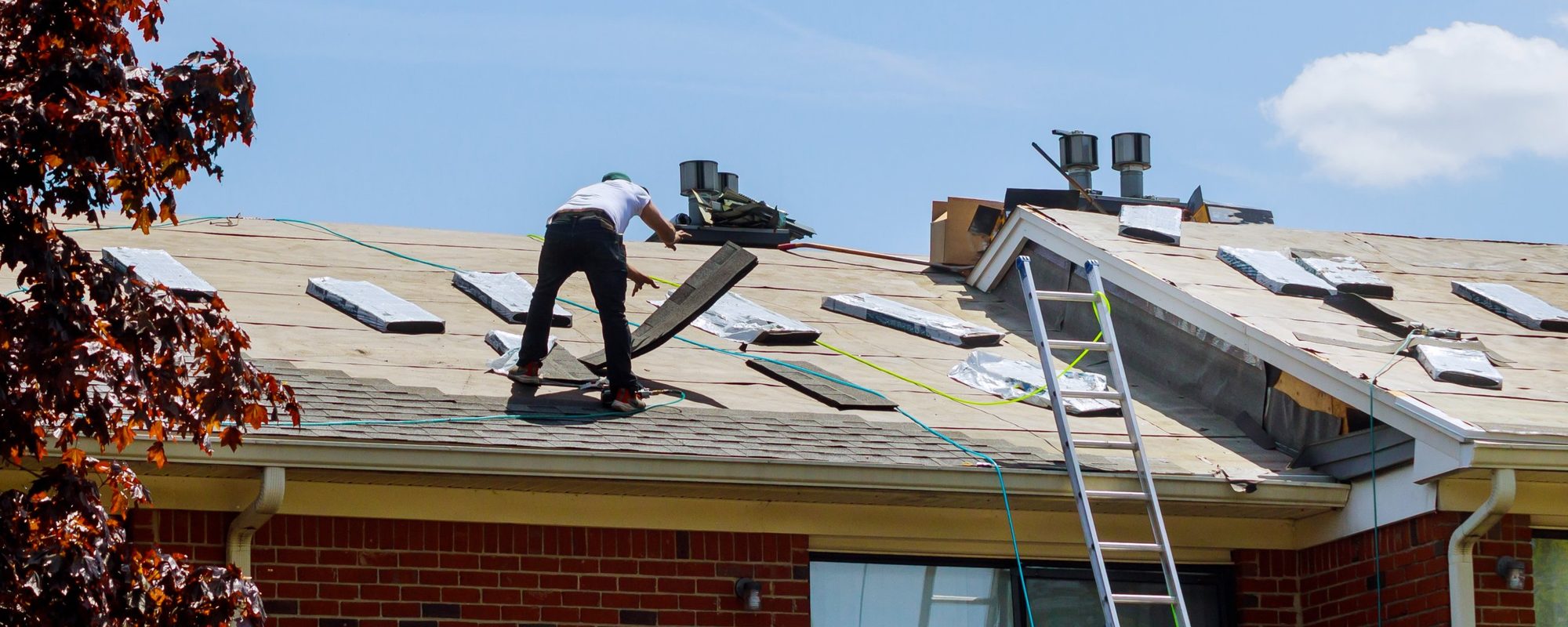
- A major component wears out early, like a roof, a parking lot or a boiler
- Storm damage, where the insurance deductible is larger than the reserves can absorb
- New construction or improvements the owners want
- Refilling reserves that have fallen too low
- Unexpected legal or repair costs
Who decides, and how owners weigh in
The authority to levy a special assessment comes from the community’s governing documents. In most Colorado communities the board approves it by vote at an open meeting, after owners have had a chance to speak. The vote is recorded in the minutes.
Under CCIOA, special assessments generally go through the same budget ratification process as the annual budget: the board sends owners a summary and holds a meeting where owners can veto it by a majority of all owners, or a larger percentage if the declaration requires. Your declaration may add its own limits or approval steps.
Paying a special assessment
The governing documents and the board decide when payment is due. Many boards offer installments over several months instead of one lump sum, especially for large projects. If you’re worried about paying, contact your manager early. Payment plans are much easier to set up before an account is past due.
Alternatives boards consider
- A loan: spreads the cost over years, repaid from future assessments.
- Phasing the project: doing the work in stages over several budgets.
- Gradual dues increases: raising regular assessments to rebuild reserves.
Each has trade-offs. A loan adds interest, and phasing can cost more if prices rise.
How to avoid them
Most surprise special assessments trace back to underfunded reserves. An up-to-date reserve study shows what’s coming due and how much to save each year, so big projects become a line in the budget instead of a surprise bill. Reviewing insurance deductibles each year helps too.
This article is general information, not legal advice. Your community’s governing documents and your association’s attorney are the final word for your situation.